Adobe Bricks
Adobe bricks are blocks of clay, sand, water, and straw that dry in the sun.
That one difference from fired brick explains the rest. It sets how thick a wall has to be, why the material lasts for centuries in dry country, and why it dissolves without a roof.
What adobe bricks are made of
The mix is soil. Proportions matter more than ingredients.
Builders dug the material where they were building.
A property's bricks and the ground under it are usually the same earth. Colour shifts from region to region across the catalogue for that reason.
- Clay binds the block together
- Sand controls shrinkage as it dries
- Water makes the mix workable
- Straw spreads tension and limits surface cracking
Why the walls are so thick
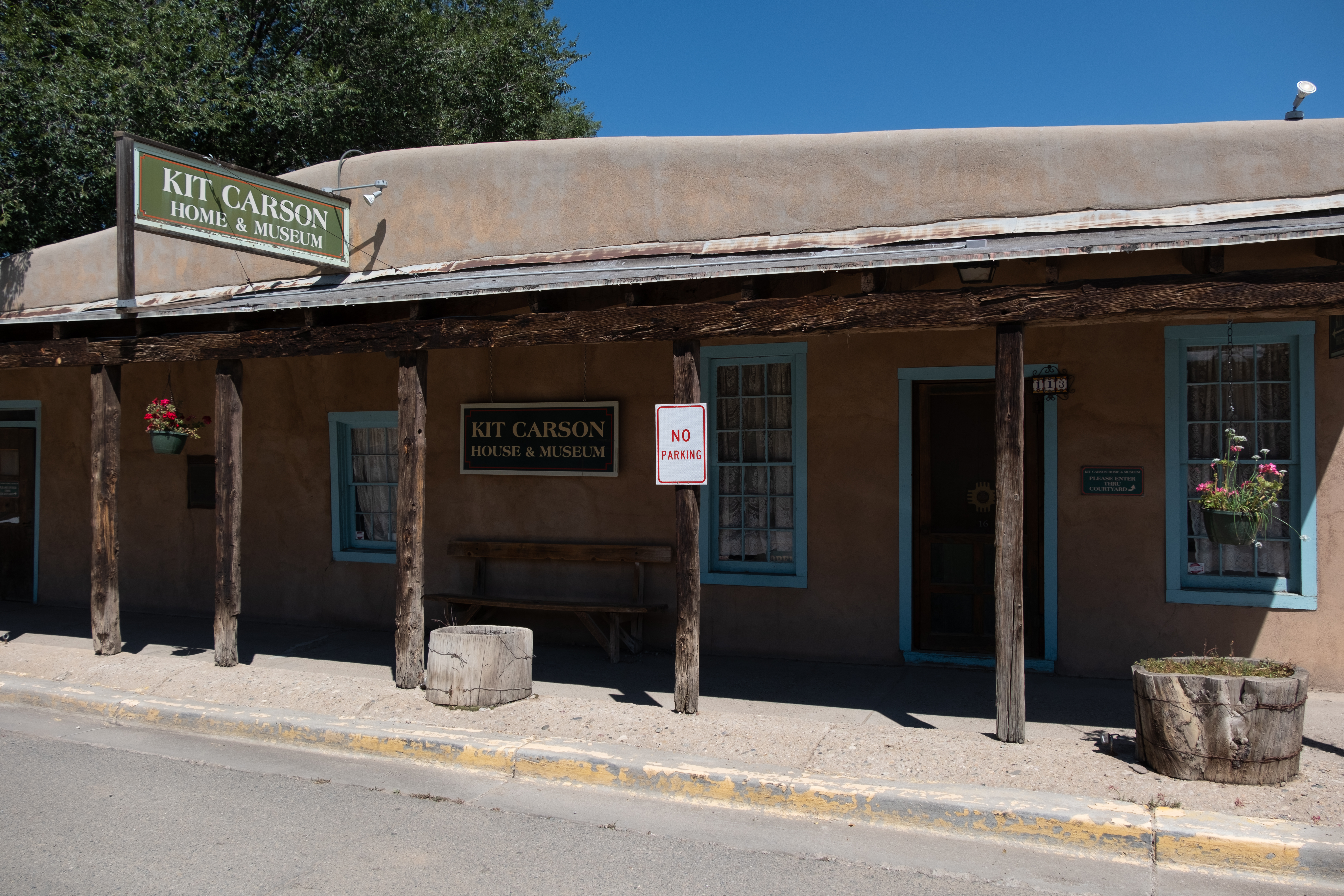
Adobe carries load in compression and has almost no tensile strength.
Walls make up for it with mass. Two feet is common in the New Mexican tradition.
Thick walls set deep window reveals and short lintel spans.
The recessed openings read as a style choice. They are a structural consequence.
How adobe bricks are made on site
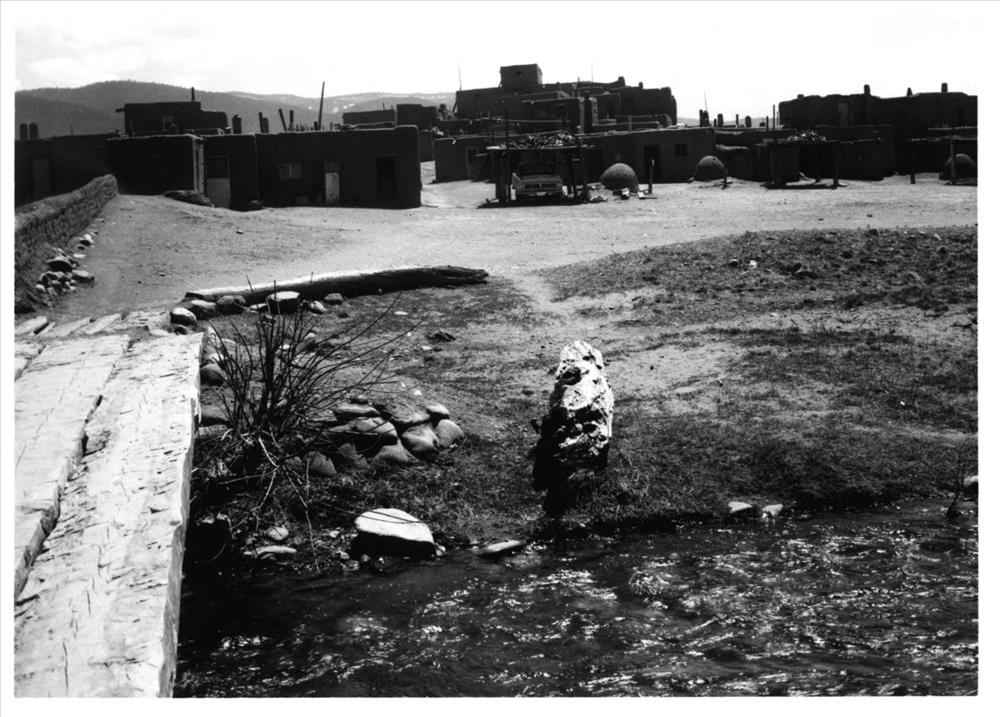
The process has not changed much in four centuries.
Soil is dug near the wall it will become, screened of stones, then mixed with water and straw until it holds a shape.
The mix is pressed into open wooden moulds laid on flat ground, struck level, and the mould is lifted away at once.
Blocks cure flat for several days, then stand on edge to finish drying. Curing time depends on weather rather than a schedule.
- Screen the soil and test the clay to sand balance
- Mix with water and straw to a stiff, workable consistency
- Press into open moulds and strike the top level
- Lift the mould immediately and leave the block to cure
- Turn the blocks on edge once they hold their shape
What adobe bricks cost
Site formed bricks run about $2.50 to $3.00 each, based on Arizona Adobe Company pricing.
Supplier made bricks cost more once delivery is counted.
On a building of any size the transport dominates. That is the practical reason historic adobe was almost always formed on site.
Where adobe brick survives
This catalogue documents 214 properties across ten states. New Mexico holds 58 and California 106.
The concentration follows climate more than history.
Adobe survives where it stays dry and where roofs were kept up. Where either failed, the walls went back to soil.
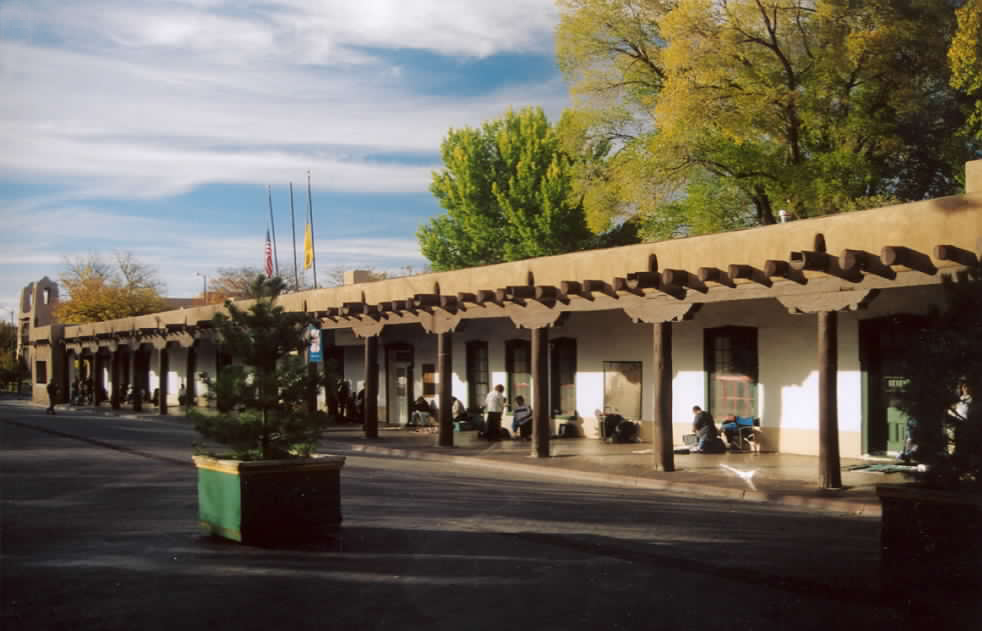
The Palace of the Governors in Santa Fe dates to 1610. Its earthen walls are still standing and still in use.
Documented examples in the catalogue
- Palace of the Governors , Santa Fe, NM
- San Esteban del Rey Mission , Acoma, NM
- Sutter's Fort , Sacramento, CA
Common questions
How much does an adobe brick cost?
Site formed adobe bricks run about $2.50 to $3.00 each based on Arizona Adobe Company pricing. Supplier made bricks cost more once delivery is included, which is why most historic construction formed bricks on site from the soil already there.
Are adobe bricks fired?
No. Adobe bricks dry in open air and sun. Firing them in a kiln would make them burnt brick, a different material with different structural behaviour.
Do adobe bricks need straw?
Straw is a binder that reduces cracking as the block dries. Some soils with the right clay to sand ratio hold together without it. Straw content varies by region.