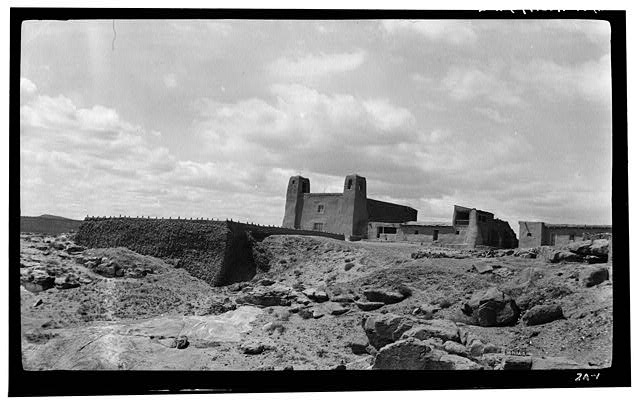
Adobe houses stay warm and cool through thermal mass rather than insulation. Walls 18–24 inches thick absorb daytime solar heat and slowly release it overnight. The effect is significant but slow. Adobe Home Tour clarifies that the mechanism is mass-driven, not insulative. The wall stores heat rather than blocking transfer. In cold-climate winters with sustained subfreezing temperatures and weak solar gain, traditional adobe loses heat faster than a well-insulated modern wall. It usually needs supplemental heating. The performance is excellent in New Mexico and Arizona, where daytime sun is reliable and night temperatures drop sharply. It is far less effective in northern climates with overcast winters.
More questions
All questions →