Adobe Pueblo Houses
Adobe pueblo houses are the earthen dwellings of the Southwestern Pueblo peoples, built from sun dried adobe brick and stacked around shared plazas.
The name joins a material and a tradition. Adobe is what the wall is made of. Pueblo is who built it and how they lived in it.
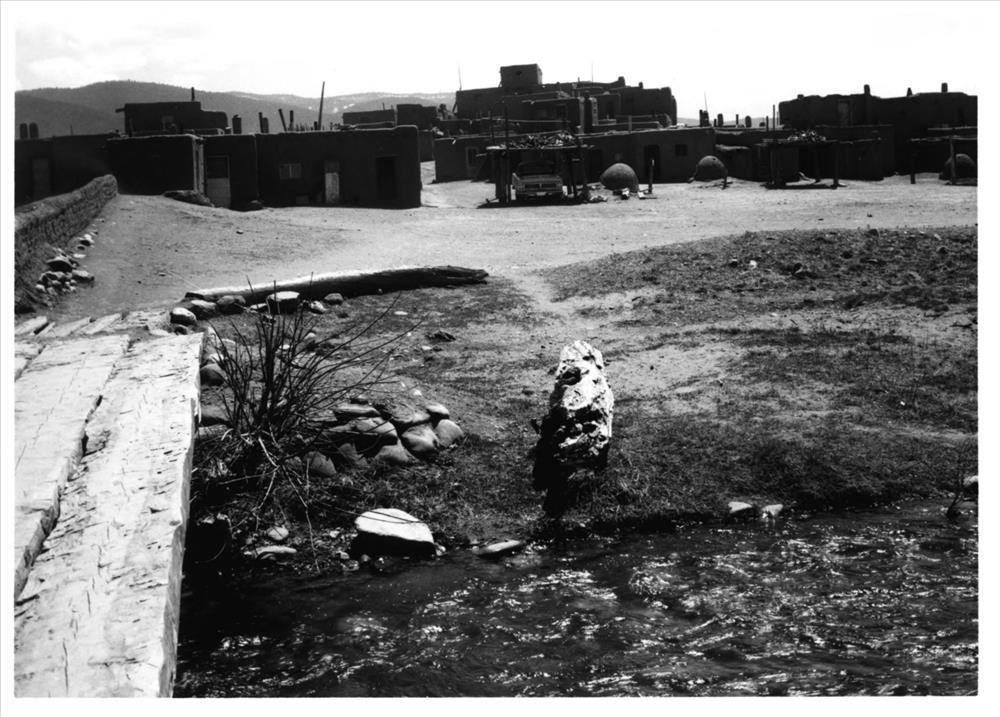
What an adobe pueblo house is
An adobe pueblo house is a Pueblo dwelling whose walls are earth.
The Pueblo peoples of what is now New Mexico and Arizona built in coursed earth for centuries, then in moulded adobe brick after the Spanish introduced the wooden mould in the sixteenth century.
The defining trait is communal form. Rooms accumulate sideways and upward into a single connected structure rather than standing as separate houses.
- Load bearing walls of sun dried adobe, plastered in earth and renewed each year
- Flat roofs on peeled timber vigas, with the roof of one room serving as the terrace of the next
- Rooms stepped back in tiers, historically entered by ladder rather than a ground level door
- Plazas and kivas at the centre of the settlement, not private yards
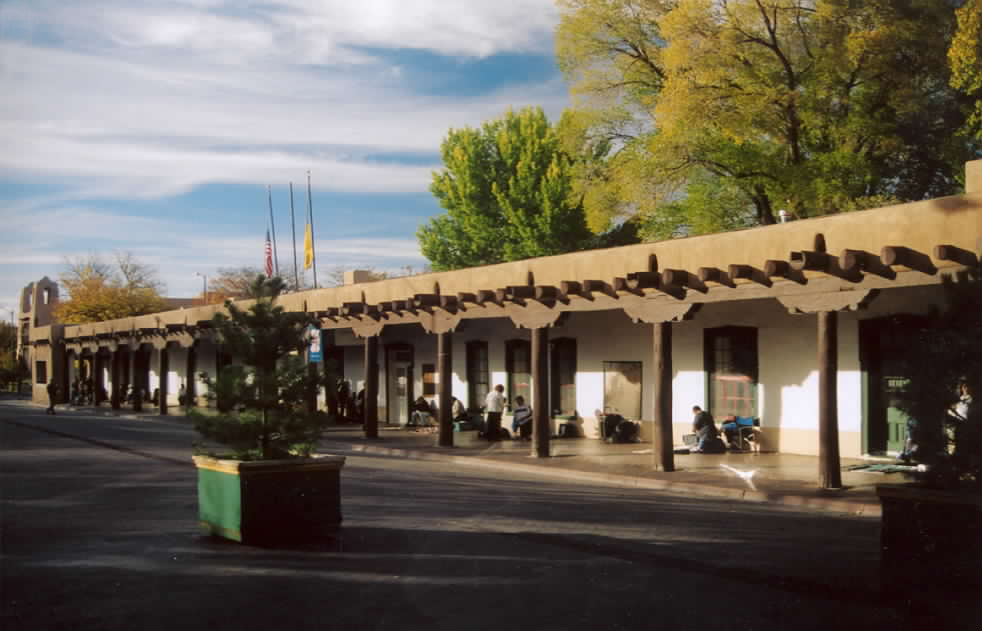
Adobe vs pueblo: what is the difference
Adobe is a material. Pueblo is a tradition. The two words answer different questions.
Adobe names the sun dried earth brick, and plenty of adobe houses are not Pueblo at all: the rancho adobes of California and the Territorial houses of the Rio Grande are adobe without being Pueblo.
Pueblo names both a people and a settlement form, and a Pueblo building is only an adobe pueblo house when it is actually built of earth. The confusion is why the two terms are so often searched together.
- Adobe answers what the wall is made of
- Pueblo answers who built it and how the community is arranged
- A building can be adobe without being Pueblo, but a classic Pueblo dwelling is adobe
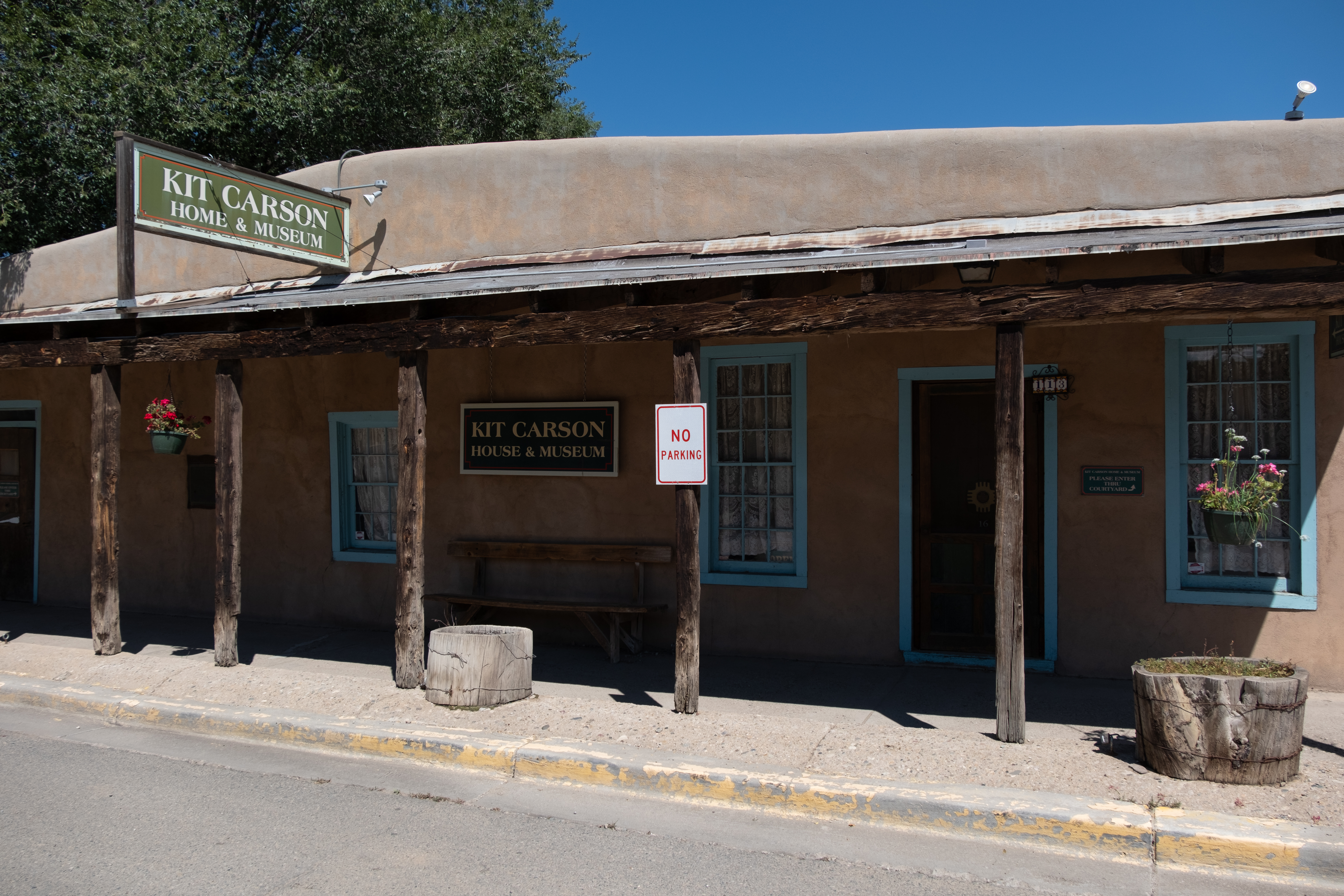
Living communities, not ruins
The distinction that matters most is between inhabited pueblos and archaeological sites.
Taos Pueblo is a living community with an unbroken record of occupation, maintained by the people who live in it, which makes it one of the longest continuously occupied settlements in North America.
Acoma Pueblo, the Sky City on its mesa top, holds the 1629 mission church of San Esteban del Rey inside the village and shows the Puebloan and Spanish traditions in one complex.
Where to see adobe pueblo houses
This catalogue documents 214 adobe properties across ten states.
New Mexico holds 58 and is the heart of the living Pueblo tradition, with Taos, Acoma, and the pueblos of the northern Rio Grande. California holds 106, though its adobe is largely rancho and mission rather than Pueblo.
Pueblo Revival, the early twentieth century style that borrowed the Pueblo look for new buildings, accounts for 40 properties here and is documented separately in its own field guide.
Documented examples in the catalogue
- Taos Pueblo , Taos, NM
- Pueblo of Acoma , Acoma Pueblo, NM
- San Esteban del Rey Mission , Acoma, NM
- Palace of the Governors , Santa Fe, NM
Related guides
Common questions
What is an adobe pueblo house?
It is a dwelling of the Southwestern Pueblo peoples built from adobe, sun dried earth brick, laid into thick load bearing walls and finished with earthen plaster. Rooms are stacked around shared plazas rather than standing as separate houses, and flat roofs are carried on timber vigas.
What is the difference between adobe and pueblo?
Adobe is the material, a sun dried brick of clay, sand, water, and straw. Pueblo is a people and a settlement tradition of the Southwest that builds with it. A house can be adobe without being Pueblo, but a classic Pueblo dwelling is made of adobe.
Are adobe pueblo houses still lived in?
Yes. Taos Pueblo in New Mexico remains an inhabited community with occupation predating European contact, which makes it a living settlement rather than a preserved ruin. Several other New Mexico pueblos are also occupied today.
Where can you see adobe pueblo houses?
Mainly in New Mexico and Arizona. This catalogue documents 58 adobe properties in New Mexico, including Taos Pueblo and Acoma, alongside 214 adobe properties across ten states in total.